Family Vacation Planning Guide 2021
Family Vacation Planning Guide 2021 is your ultimate resource for crafting the perfect family getaway. From selecting the ideal destination to creating a detailed itinerary and packing efficiently, this guide provides a step-by-step approach to ensure a stress-free and enjoyable vacation for everyone involved. This guide is tailored to help you navigate the unique challenges and opportunities of planning a family vacation, especially considering the travel landscape of 2021.
1. Choosing Your Destination: Where to Go?
The first step in any family vacation is deciding where to go. Consider the ages and interests of your family members. Do you have young children who thrive on beaches and water activities? Or are your teenagers craving adventure and cultural experiences? Here’s a breakdown to help you choose:
- Beaches: Popular choices include Florida (Destin, Panama City Beach, Clearwater), California (San Diego, Santa Barbara), and Hawaii. Consider the season for optimal weather and crowd levels.
- Theme Parks: Disney World, Universal Studios, and other theme parks offer immersive experiences for all ages. Plan your visit during the off-season or consider weekday visits to avoid long lines.
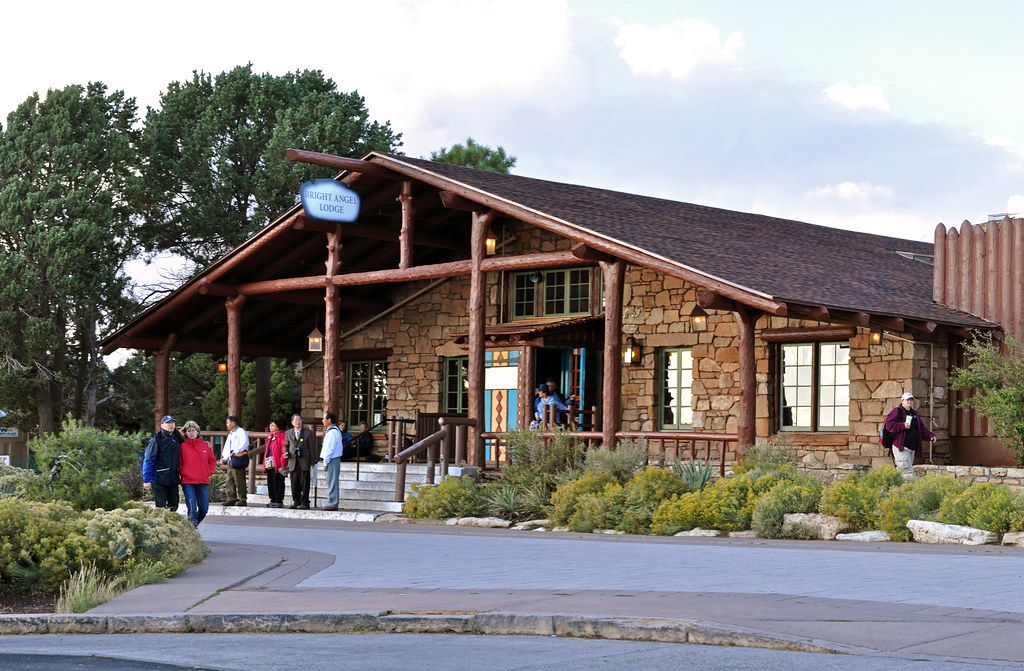
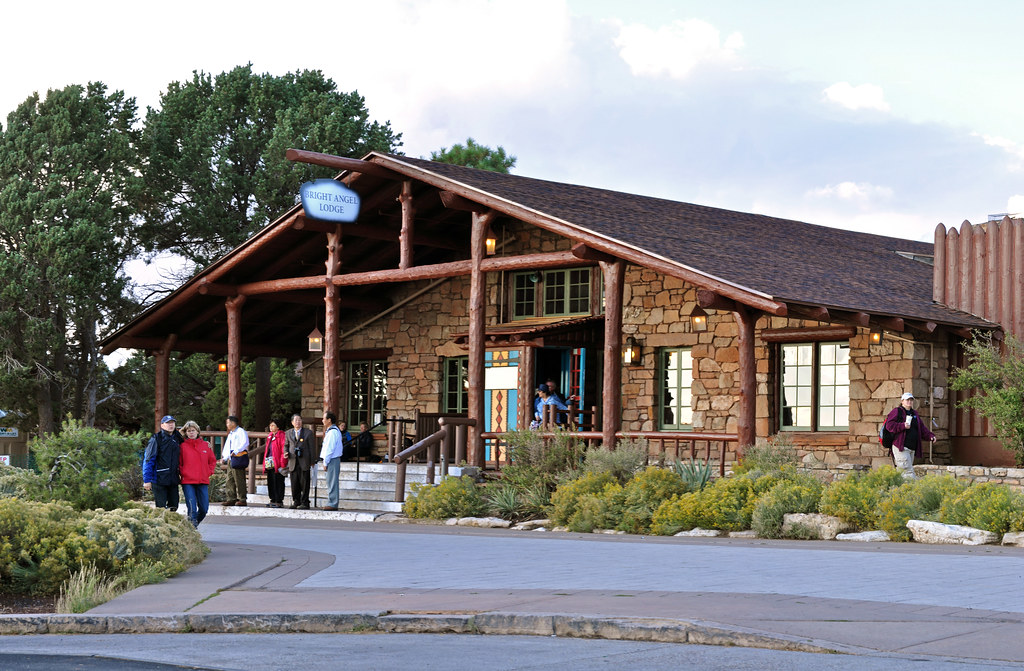
- National Parks: Explore the natural beauty of the United States. Yellowstone, Yosemite, and the Grand Canyon offer hiking, wildlife viewing, and educational opportunities. Reservations may be required, so book in advance.
- Cities: Explore historical sites, museums, and cultural attractions in cities like New York City, Chicago, or Washington, D.C. Consider family-friendly walking tours or hop-on-hop-off bus tours.
2. Setting a Budget: How Much Will It Cost?
Determine your budget early in the planning process. This will help you narrow down your destination choices and make informed decisions about accommodations, transportation, and activities. Consider these cost factors:
- Transportation: Flights, train tickets, or gas for a road trip. Compare prices from different airlines and consider flying during the off-season.
- Accommodation: Hotels, vacation rentals (houses, condos), or camping. Vacation rentals often offer more space and kitchen facilities, which can save money on dining out.
- Activities: Entrance fees to attractions, tours, and entertainment. Research free activities in your chosen destination.
- Food: Dining out, groceries, and snacks. Plan for a mix of eating out and cooking meals to save money.
- Miscellaneous: Souvenirs, travel insurance, and unexpected expenses.
3. Booking Flights and Accommodation: Securing Your Trip
Once you’ve chosen your destination and set your budget, it’s time to book flights and accommodation. Here’s how to do it efficiently:
- Flights: Use flight comparison websites (Kayak, Google Flights, Skyscanner) to find the best deals. Be flexible with your travel dates to save money. Consider booking flights directly with the airline.
- Accommodation: Research different accommodation options (hotels, vacation rentals, Airbnb). Read reviews and compare prices. Book early, especially if traveling during peak season.
- Travel Insurance: Consider purchasing travel insurance to protect yourself against unexpected events, such as trip cancellations, medical emergencies, and lost luggage.
4. Creating a Detailed Itinerary: Planning Your Activities
A well-planned itinerary can make your vacation more enjoyable and less stressful. Here’s how to create one:
- Research Attractions: Identify the must-see attractions in your chosen destination.
- Consider Interests: Tailor your itinerary to the interests of your family members.
- Balance Activities: Include a mix of planned activities and downtime.
- Book in Advance: Reserve tickets for popular attractions and tours in advance.
- Allow for Flexibility: Be prepared to adjust your itinerary if unexpected events arise.
5. Packing Smart: What to Bring
Packing efficiently can save you time, money, and stress. Here’s a packing checklist:
- Clothing: Pack versatile clothing items that can be mixed and matched. Consider the weather forecast for your destination.
- Toiletries: Pack travel-sized toiletries to save space and comply with airline regulations.
- Medications: Bring any necessary medications and a first-aid kit.
- Electronics: Pack chargers, adapters, and any other electronic devices you may need.
- Documents: Bring your passport, driver’s license, and any other necessary documents. Make copies of important documents and store them separately.
- Essentials for Kids: Diapers, wipes, formula, snacks, and favorite toys.
6. Transportation Options: Getting Around
Consider the best way to get around your destination. Options include:
- Rental Car: Gives you the most flexibility, especially for exploring outside of the city.
- Public Transportation: Subways, buses, and trains can be cost-effective in cities.
- Taxis and Ride-Sharing: Convenient but can be expensive.
- Walking: Great for exploring cities and enjoying the local atmosphere.
7. Food and Dining: Exploring Culinary Delights
Food is a significant part of the travel experience. Plan your meals and consider the following:
- Research Restaurants: Find family-friendly restaurants that offer a variety of options.
- Consider Dietary Needs: If anyone in your family has dietary restrictions, research restaurants that cater to those needs.
- Pack Snacks: Bring snacks to keep everyone happy between meals.
- Try Local Cuisine: Don’t be afraid to try new foods and experience the local culture.
8. Safety and Health: Staying Protected
Prioritize safety and health during your trip. Consider these measures:
- Travel Insurance: Ensure you have adequate travel insurance.
- Emergency Contacts: Keep a list of emergency contacts, including local hospitals and your embassy.
- Stay Informed: Monitor travel advisories and health alerts for your destination.
- Health Precautions: Take necessary health precautions, such as vaccinations and preventative medications.
- COVID-19 Considerations: In 2021, be aware of and adhere to any local COVID-19 related guidelines, including mask mandates, social distancing, and vaccination requirements.
9. Tips for Traveling with Children
Traveling with children requires extra planning and patience. Here are some tips:
- Prepare for Boredom: Pack activities to keep children entertained, such as books, games, and toys.
- Take Breaks: Schedule regular breaks to avoid meltdowns.
- Be Flexible: Be prepared to adjust your plans as needed.
- Involve Children: Involve children in the planning process to build excitement.
- Pack Essentials: Always have essentials like snacks, drinks, and diapers readily available.
10. Post-Trip Reflections: What Did You Learn?
After your trip, take some time to reflect on your experience. Consider:
- What went well?
- What could be improved?
- What did you learn?
- Start planning your next adventure!
Family Vacation Planning Guide 2021: Frequently Asked Questions
Q: When is the best time to book a family vacation?
A: The best time to book varies depending on your destination and the season. Generally, booking flights and accommodations several months in advance is recommended, especially for peak travel seasons like summer and holidays. However, last-minute deals can sometimes be found, especially during the off-season.
Q: What are some tips for traveling with young children?
A: Pack plenty of snacks, entertainment, and comfort items. Schedule frequent breaks, and be flexible with your itinerary. Consider bringing a stroller or carrier for infants and toddlers. Try to maintain a familiar routine as much as possible.
Q: How can I save money on a family vacation?
A: Travel during the off-season, consider vacation rentals, cook some of your meals, pack your own snacks, and look for free activities. Compare prices from different providers and be flexible with your travel dates.
Q: What should I do if my flight is delayed or canceled?
A: Contact the airline immediately. Check if your travel insurance covers any expenses. Have a backup plan, such as alternative flights or accommodations. Keep all receipts for potential reimbursement.
Q: How do I ensure everyone has a good time on the trip?
A: Involve everyone in the planning process, consider their interests, and create a balance between planned activities and downtime. Be flexible and patient, and don’t be afraid to adjust your plans if needed. Communication is key.
Example Family Vacation Budget (Hypothetical):
| Expense | Estimated Cost |
|---|---|
| Flights (Family of 4) | $1200 |
| Accommodation (7 nights) | $1400 |
| Activities (Theme Park Tickets, Tours) | $800 |
| Food (Groceries & Dining Out) | $700 |
| Transportation (Rental Car, Gas) | $500 |
| Souvenirs & Miscellaneous | $200 |
| Total Estimated Cost | $4800 |
Note: This is a hypothetical example; actual costs will vary.